

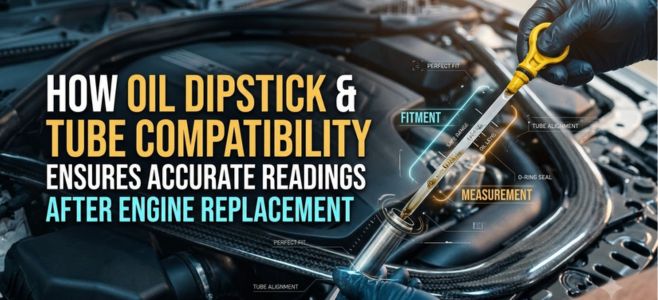
How Oil Dipstick and Tube Compatibility Ensures Accurate Readings After Engine Replacement
Replacing an engine involves more than selecting a compatible power unit and completing the installation. Smaller components, including the oil dipstick and dipstick tube, also play an important role in maintaining accurate engine oil measurements. Although these parts may appear simple, using an incorrect combination can result in misleading oil level readings and potentially cause lubrication problems.
For buyers searching for used engines for sale, checking dipstick and tube compatibility is an important step before completing an engine replacement. The correct combination helps ensure that the dipstick measures oil at the manufacturer’s intended level, supporting proper lubrication and long-term engine reliability.
Understanding the Role of an Oil Dipstick and Tube
An oil dipstick is a measuring tool used to check the amount of engine oil inside the oil pan. It features marked indicators that show whether the oil level is within the recommended operating range.
The dipstick tube provides a guided passage for inserting and removing the dipstick. Its length, mounting position, and internal design determine how the dipstick reaches the oil pan.
Both components must work together correctly. If the dipstick is too long or too short, the readings may not accurately represent the actual oil level.
When comparing used motor and transmission for sale, buyers should pay attention to these supporting components instead of focusing only on the engine’s appearance and mileage.
Why Dipstick and Tube Compatibility Matters After Engine Replacement
Different engine versions may use different dipstick lengths, tube designs, and oil pan configurations. Even engines from the same manufacturer can have variations depending on their model year, vehicle application, and production specifications.
Installing an incompatible dipstick or tube can create several problems:
- Incorrect oil level readings during routine maintenance.
- Difficulty identifying low or excessive oil levels.
- Improper dipstick seating inside the tube.
- Potential interference with nearby engine components.
- Increased risk of engine lubrication problems.
For buyers exploring used engines for sale, matching the dipstick and tube to the replacement engine’s exact configuration can help prevent unnecessary maintenance complications.
How Incorrect Measurements Can Affect Engine Performance
Accurate oil measurement is essential because engine oil lubricates moving components, reduces friction, and helps manage operating temperatures. If an incompatible dipstick indicates that the oil level is higher than it actually is, the engine may operate with insufficient lubrication. This can increase friction and accelerate wear on internal components.
On the other hand, an incorrect reading suggesting a low oil level may encourage unnecessary overfilling. Excessive oil can cause aeration, increased crankcase pressure, and other lubrication-related problems.
These situations demonstrate why buyers considering used motor and transmission for sale should verify that all engine measurement components match the installed oil pan and engine specifications.
Common Signs of Dipstick and Tube Mismatch
A compatibility problem may not become obvious immediately after installation. However, certain warning signs can indicate that the dipstick and tube combination needs inspection.
- Inconsistent Oil Readings: Repeated checks may produce confusing results, even when the vehicle is parked on level ground.
- Incorrect Dipstick Seating: The dipstick may not reach its intended stopping position or may extend too far into the engine.
- Visible Length Differences: A replacement dipstick may have different markings or overall dimensions compared with the original component.
- Oil Level Discrepancies: The dipstick reading may not match the actual quantity of oil added to the engine.
- Installation Difficulties: A tube that does not align properly with the engine mounting point may indicate an incorrect application.
When purchasing used engines for sale, inspecting these details before installation can help avoid problems during the first oil service.
Important Compatibility Factors to Check
Before installing the dipstick and tube from an existing engine, compare their specifications with the replacement engine. Consider the following factors:
- Engine Code: Verify the exact engine identification number and configuration.
- Dipstick Length: Compare the overall length and measuring range with the correct factory specification.
- Tube Dimensions: Check tube length, diameter, mounting position, and insertion depth.
- Oil Pan Design: Confirm that the replacement engine uses the correct oil pan configuration.
- Marking Accuracy: Ensure that the minimum and maximum indicators correspond to the intended oil level.
Buyers researching used motor and transmission for sale should also confirm whether the replacement engine includes its original dipstick and tube. Having the correct components available can simplify installation and compatibility checks.
Best Practices for Accurate Oil Level Readings
Once the correct dipstick and tube are installed, following the recommended checking procedure is equally important. Park the vehicle on a level surface and allow the engine oil to settle according to the manufacturer’s instructions. Remove the dipstick, wipe it clean, insert it completely, and remove it again to inspect the oil level.
The reading should fall between the minimum and maximum indicators. If the measurement appears inconsistent, verify the dipstick application, tube installation, and actual oil quantity rather than assuming the engine needs additional oil.
For buyers choosing used engines for sale, having a qualified technician verify the oil level after installation is a practical way to confirm that the lubrication system is operating correctly.
Make a Better Decision When Selecting a Replacement Engine
A successful engine replacement depends on selecting the right engine and ensuring that its supporting components are compatible. Buyers should review engine identification, oil pan design, lubrication requirements, and included accessories before finalizing a purchase.
At CarEnginePart.com, buyers can explore replacement engine information and consider important compatibility factors when comparing available options.
Whether researching used motor and transmission for sale or comparing different used engines for sale, paying attention to smaller components such as the oil dipstick and tube can help prevent avoidable installation and maintenance issues.
Conclusion
Oil dipstick and tube compatibility is an important but often overlooked part of engine replacement. Incorrect component combinations can produce misleading oil readings, potentially affecting lubrication and engine reliability.
Before installing a replacement engine, verify the dipstick length, tube dimensions, oil pan configuration, and factory specifications. Taking these precautions helps ensure accurate oil measurements and supports dependable engine operation after replacement.