Quality Used Engines & Used Transmissions
Marketplace

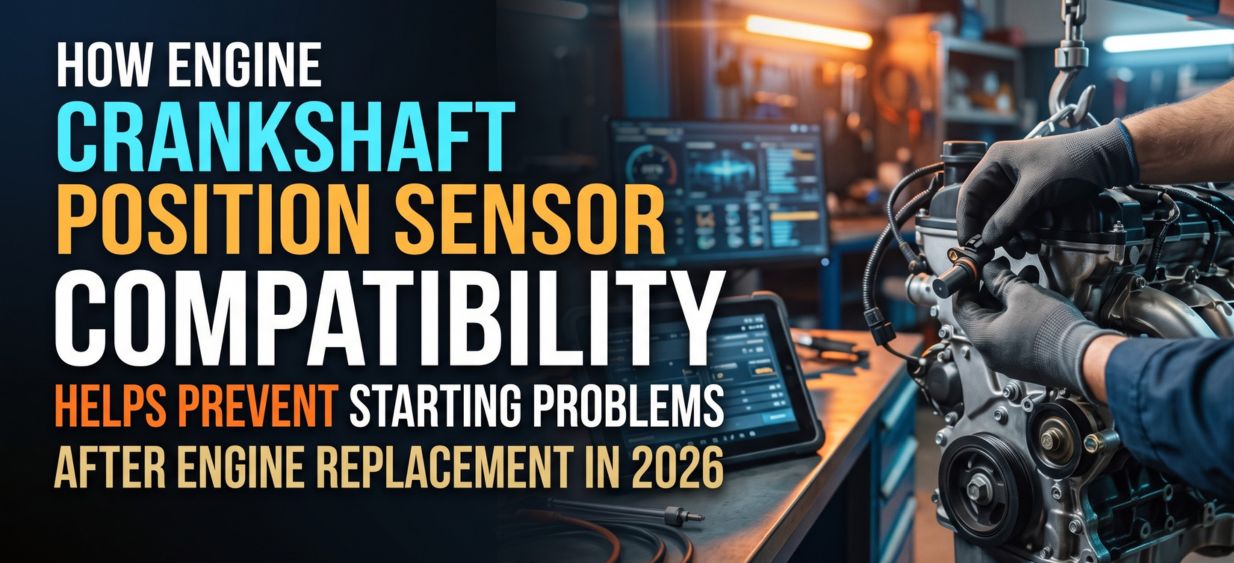
Replacing an engine can restore a vehicle’s performance, but the replacement must work correctly with the vehicle’s electronic control system. One...
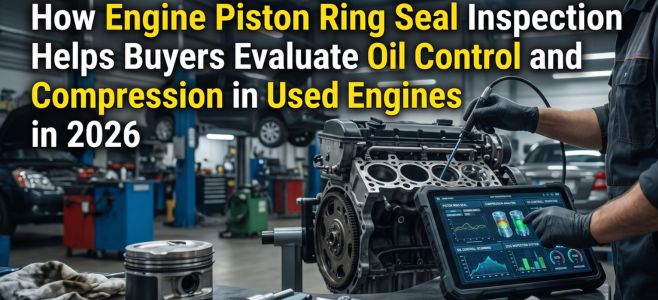
When evaluating replacement powertrain components, buyers need to understand the internal condition of an engine before installation. Piston rings pla...
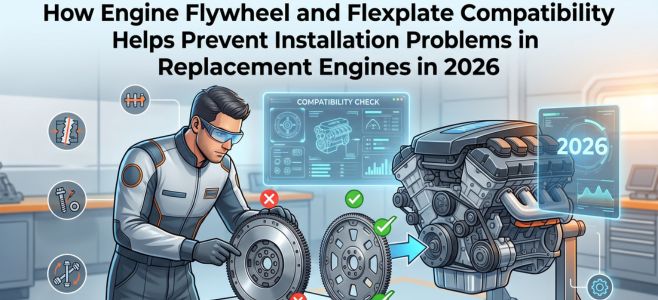
Replacing an engine involves more than selecting an assembly that fits inside the vehicle’s engine bay. Components connecting the engine to the ...
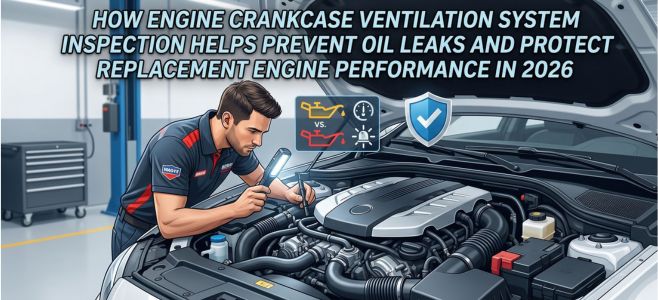
A properly functioning crankcase ventilation system is essential for maintaining engine lubrication, pressure balance, and overall reliability. When r...

Engine mounts are small but important components that help secure the engine to the vehicle while reducing vibration and movement. When these mounts b...

Choosing a replacement engine requires careful evaluation of its internal mechanical condition, not just mileage or appearance. The crankshaft is one ...
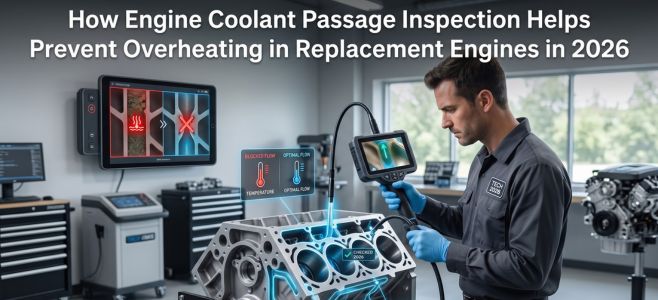
Engine overheating is one of the most common concerns when installing a replacement engine. Excessive heat can affect critical components, reduce engi...

Modern engines depend on precise lubrication to operate reliably. Every second an engine is running, oil must reach critical components such as cranks...
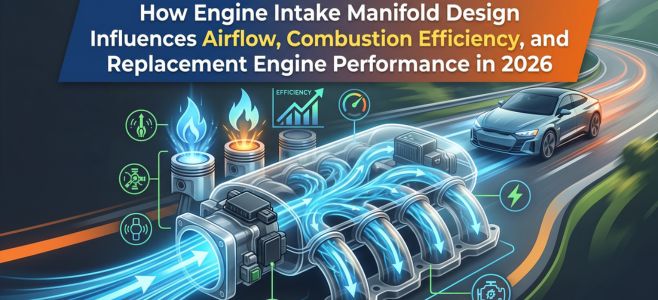
The intake manifold is one of the most important components influencing how air reaches an engine’s cylinders. Although it is often overlooked w...
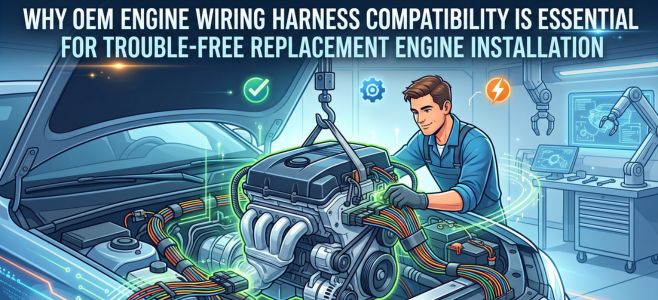
Modern vehicle engines rely on complex electrical systems to communicate with sensors, control modules, and fuel management components. When replacing...