
How OEM Engine Sensors Improve Fuel Control, Performance, and Diagnostic Accuracy in Modern Vehicles
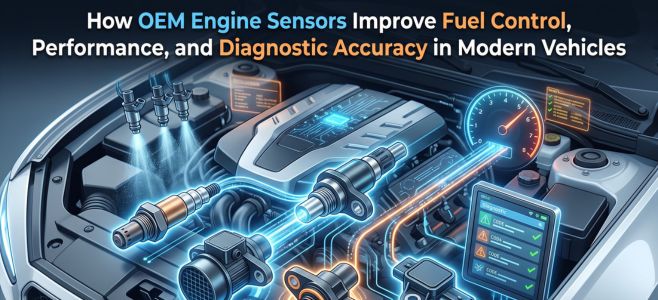
Modern vehicles depend on a wide range of electronic sensors to monitor engine conditions and help the vehicle control system make accurate decisions. From measuring air intake and engine temperature to monitoring oxygen levels and crankshaft position, these sensors provide essential information for efficient engine operation.
OEM engine sensors are designed to work according to the manufacturer’s original specifications. When properly matched with the vehicle’s engine management system, they can support accurate fuel control, responsive performance, lower emissions, and more reliable diagnostics.
This becomes particularly important when replacing an engine. Buyers looking for quality used engines should consider the condition and compatibility of the engine’s sensors and electronic components. Choosing used engines with warranty coverage can also provide additional confidence when purchasing a replacement powertrain.
What Are Engine Sensors?
Engine sensors are electronic components that measure specific operating conditions and send information to the vehicle’s engine control module (ECM) or powertrain control module (PCM).
Depending on the vehicle, sensors can monitor:
- Air intake
- Engine temperature
- Oxygen levels
- Throttle position
- Crankshaft position
- Camshaft position
- Fuel pressure
- Manifold pressure
- Knock or combustion activity
The control module uses this information to adjust engine operation in real time.
How Sensors Control Fuel Delivery
One of the most important functions of engine sensors is helping regulate the air-fuel mixture.
For efficient combustion, the engine needs an appropriate balance between air and fuel. Sensors provide real-time information that allows the control system to adjust fuel injection according to operating conditions.
Accurate sensor information can help support:
- Better fuel economy
- Smooth acceleration
- Consistent idle quality
- Efficient combustion
- Lower emissions
A faulty sensor can provide incorrect information, causing the engine management system to make less effective adjustments.
Importance of the Mass Airflow Sensor
The mass airflow sensor measures the amount of air entering the engine. The engine control system uses this information to determine how much fuel should be delivered.
Problems with the sensor can contribute to:
- Poor acceleration
- Rough idling
- Reduced fuel economy
- Engine hesitation
- Increased emissions
A properly functioning sensor therefore plays an important role in maintaining efficient engine operation.
Role of Oxygen Sensors
Oxygen sensors monitor oxygen levels in the exhaust gases. The engine management system uses this information to determine whether the air-fuel mixture needs adjustment.
Accurate oxygen sensor readings help support:
- Efficient fuel combustion
- Emissions control
- Proper fuel correction
- Stable engine operation
Because oxygen sensors operate in demanding temperature conditions, their condition can affect overall engine management performance.
Crankshaft and Camshaft Position Sensors
Crankshaft and camshaft position sensors provide information about engine timing.
Their signals help the engine control system determine:
- Crankshaft position
- Camshaft position
- Engine speed
- Ignition timing
- Fuel injection timing
Accurate timing information is essential for proper combustion.
A problem with either sensor can cause starting difficulties, misfires, rough operation, or warning lights.
Engine Temperature Sensors
The engine coolant temperature sensor monitors the engine’s operating temperature. The control system uses this information to adjust engine operation during:
- Cold starts
- Warm-up
- Normal driving
- High-temperature conditions
Incorrect temperature readings can affect fuel delivery, cooling strategies, idle speed, and emissions control.
How Sensors Improve Diagnostic Accuracy
Modern vehicles continuously monitor sensor signals to identify abnormal operating conditions. When a sensor detects an unexpected value, the control system may store a diagnostic trouble code.
Technicians can use diagnostic scan tools to investigate:
- Sensor performance
- Electrical signals
- Engine operating conditions
- Stored trouble codes
- Related system faults
This makes sensors an important part of modern vehicle diagnostics.
Importance for Quality Used Engines
When purchasing quality used engines, buyers should consider more than the engine block and internal components.
Electronic components can also influence how successfully a replacement engine operates in the vehicle.
Important considerations include:
- Engine compatibility
- Sensor compatibility
- Engine control system requirements
- Wiring condition
- Stored diagnostic codes
- Sensor condition
- Maintenance history
- Inspection results
A replacement engine with compatible electronic components can make installation and calibration easier.
Benefits of Used Engines With Warranty
Choosing used engines with warranty coverage can provide additional protection when purchasing a replacement engine.
A warranty may cover specified mechanical failures during a defined period, subject to its terms and conditions.
Before purchasing, buyers should review:
- Warranty duration
- Covered components
- Installation requirements
- Labor coverage
- Maintenance obligations
- Exclusions
- Claim procedures
Warranty coverage varies by supplier, so buyers should understand exactly what is included.
OEM Sensors and Compatibility
OEM sensors are designed around the vehicle manufacturer’s original specifications. Their compatibility can be important because modern engine management systems rely on precise electrical signals.
Using a sensor that does not provide the expected specifications may result in:
- Incorrect readings
- Warning lights
- Fuel control problems
- Diagnostic errors
- Reduced engine performance
Proper compatibility should always be verified before installation.
Sensors and Modern Emissions Control
Engine sensors also contribute to emissions management. Information from oxygen, airflow, temperature, pressure, and other sensors allows the engine control system to optimize combustion and emissions-related functions.
Accurate sensor information can help maintain compliance with the vehicle’s designed emissions-control strategy.
Signs of a Faulty Engine Sensor
Drivers may notice several symptoms when a sensor begins to fail.
Potential signs include:
- Check engine light
- Poor fuel economy
- Rough idle
- Hard starting
- Reduced acceleration
- Engine hesitation
- Misfires
- Increased emissions
These symptoms can have multiple causes, so professional diagnostic testing is recommended before replacing a component.
Future of Automotive Sensor Technology
Vehicle sensor technology is rapidly evolving. Future engines are expected to use increasingly advanced:
- Temperature sensors
- Pressure sensors
- Combustion sensors
- Exhaust monitoring systems
- Predictive diagnostic systems
- Connected vehicle health monitoring
Artificial intelligence and predictive analytics may also allow vehicles to identify developing problems before noticeable performance symptoms occur.
Final Thoughts
OEM engine sensors play a fundamental role in modern vehicle operation by providing accurate information for fuel control, timing, emissions management, performance optimization, and diagnostics. When these sensors function correctly and communicate properly with the engine control system, vehicles can deliver smoother operation and more efficient combustion.
For buyers considering quality used engines, sensor compatibility and condition should be included in the overall inspection process alongside mileage, engine code, compression, and mechanical condition. Selecting used engines with warranty coverage can provide additional protection, but buyers should carefully review the specific warranty terms before purchasing.
Frequently Asked Questions
1. What do engine sensors do?
Engine sensors monitor operating conditions such as airflow, temperature, oxygen levels, engine position, pressure, and combustion activity and send this information to the vehicle’s control module.
2. Can faulty sensors affect fuel economy?
Yes. Incorrect sensor information can cause the engine control system to make inaccurate fuel adjustments, potentially resulting in poor fuel economy, rough operation, or increased emissions.
3. Should sensor compatibility be checked when buying quality used engines?
Yes. Buyers of quality used engines should verify engine code, sensor compatibility, wiring, control-system requirements, and other electronic components before installation.
[faq q="4. What are the advantages of used engines with warranty?"]
Used engines with warranty coverage can provide protection against certain covered mechanical failures during the specified warranty period. Buyers should review coverage, exclusions, installation requirements, and claim conditions.
5. Can an engine sensor trigger a check engine light?
Yes. A malfunctioning or out-of-range sensor signal can cause the vehicle’s diagnostic system to store a trouble code and illuminate the check engine light.
6. Are OEM engine sensors better for replacement engines?
OEM sensors are designed to meet the vehicle manufacturer’s original specifications. Properly compatible OEM components can help maintain expected communication between the engine sensors and the vehicle’s control system.