
How Start-Stop Engine Technology Is Changing Replacement Engine Buying Decisions in 2026
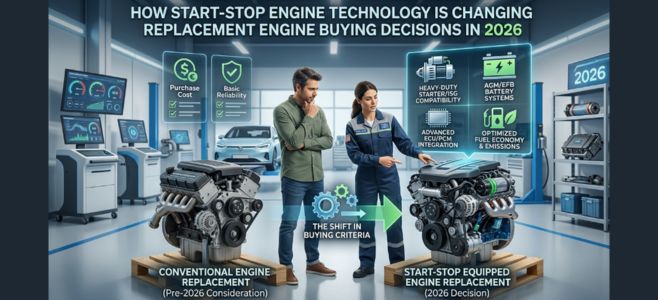
Start-stop engine technology has become a standard feature in many modern vehicles, helping improve fuel efficiency and reduce emissions by automatically shutting off the engine when the vehicle is stationary. While this technology offers environmental and fuel-saving benefits, it also places additional demands on engine components. As a result, many vehicle owners are carefully evaluating replacement options and increasingly choosing OEM used auto parts and quality used engines to restore factory performance without paying the high cost of brand-new assemblies.
Table of Contents
- What is start-stop engine technology?
- Why it affects engine longevity
- Common engine wear associated with start-stop systems
- Choosing the right replacement engine
- Benefits of OEM used auto parts
- Why quality used engines are in demand
- FAQs
What Is Start-Stop Engine Technology?
Start-stop technology automatically turns the engine off when a vehicle comes to a complete stop, such as at traffic lights or in heavy traffic. As soon as the driver releases the brake pedal or presses the accelerator, the engine restarts almost instantly.
The system is designed to:
- Reduce fuel consumption
- Lower exhaust emissions
- Minimize unnecessary engine idling
- Improve overall vehicle efficiency
In 2026, start-stop systems are commonly found in gasoline, diesel, hybrid, and even some commercial vehicles.
Why Start-Stop Systems Increase Engine Demands
Although start-stop technology helps improve efficiency, it also increases the number of engine start cycles dramatically.
Traditional vehicles might experience a few engine starts each day.
A vehicle equipped with start-stop technology may restart the engine dozens-or even hundreds-of times during daily urban driving.
This increased activity places additional stress on several components, including:
- Starter motors
- Batteries
- Flywheels
- Bearings
- Timing components
- Lubrication systems
Manufacturers design these components to withstand frequent restarts, but long-term wear remains inevitable.
How Frequent Restarts Affect Engine Wear
Modern engines are engineered to handle repeated starting cycles, but every start occurs before full oil pressure is established throughout the engine.
Over many years of operation, repeated cold or low-pressure starts may contribute to gradual wear on internal components.
Potentially affected parts include:
- Crankshaft bearings
- Camshafts
- Pistons
- Timing chains
- Valve train components
Routine maintenance becomes even more important for vehicles equipped with start-stop systems.
Importance of Proper Maintenance
Drivers can significantly reduce wear by following recommended maintenance schedules.
Key maintenance practices include:
- Regular oil changes
- Using manufacturer-approved engine oil
- Replacing oil filters on schedule
- Monitoring battery condition
- Addressing warning lights promptly
Clean, high-quality engine oil is especially important because it provides rapid lubrication during frequent restart cycles.
When Engine Replacement Becomes the Better Option
In some situations, repairing an aging engine affected by extensive wear may no longer be financially practical.
Examples include:
- Severe bearing damage
- Excessive oil consumption
- Low compression
- Cracked engine block
- Major internal component failure
When repair costs approach or exceed the value of the vehicle, engine replacement often becomes the smarter investment.
Why OEM Used Auto Parts Make Sense
Many vehicle owners choose OEM used auto parts because they provide factory-designed compatibility at a significantly lower cost than new replacement components.
Advantages include:
- Original factory engineering
- Exact fitment
- Reliable compatibility
- Lower repair costs
- Proven durability
Using OEM components helps preserve the vehicle’s intended performance and reduces the likelihood of installation issues.
Growing Demand for Quality Used Engines
The market for quality used engines continues to expand as consumers seek affordable alternatives to new powertrains.
Professionally inspected replacement engines often come from low-mileage donor vehicles removed from service due to accident damage rather than mechanical failure.
Benefits include:
- Lower purchase price
- Factory-built reliability
- Faster installation
- Verified compatibility
- Extended vehicle life
Choosing a reputable supplier increases confidence in long-term performance.
How to Choose the Right Replacement Engine
Before purchasing a replacement engine, consider several important factors.
Look for suppliers that provide:
- Mileage verification
- Engine inspection reports
- Compression testing
- Warranty options
- Vehicle compatibility assistance
Selecting a properly inspected engine reduces the risk of future problems.
Sustainability Benefits of OEM Replacement Engines
Reusing OEM engines supports environmentally responsible vehicle ownership.
Benefits include:
- Reduced manufacturing demand
- Lower carbon emissions
- Conservation of raw materials
- Less automotive waste
- Extended product life cycles
These advantages make recycled OEM components an increasingly popular choice among environmentally conscious drivers.
Common Buying Mistakes to Avoid
When shopping for a replacement engine, avoid:
- Purchasing solely based on price
- Ignoring mileage history
- Buying from unverified sellers
- Overlooking warranty coverage
- Failing to verify compatibility
Taking time to research your options helps ensure a successful repair.
Future Trends in Engine Replacement
As vehicle technology continues advancing, replacement engine purchasing decisions will increasingly focus on:
- Verified engine history
- Digital inspection reports
- Predictive maintenance records
- Hybrid-compatible powertrains
- Improved recycling standards
Consumers are placing greater emphasis on long-term reliability rather than simply finding the lowest-priced option.
Final Thoughts
Start-stop engine technology has helped modern vehicles become more fuel-efficient and environmentally friendly, but it has also increased the demands placed on engine components. Frequent restart cycles, combined with modern high-efficiency engine designs, make regular maintenance essential for long-term reliability.
When major engine damage occurs, professionally inspected OEM used auto parts provide factory-quality compatibility while helping reduce repair expenses. Likewise, quality used engines offer dependable performance, verified reliability, and substantial savings compared to purchasing a brand-new engine. By choosing reputable suppliers and maintaining vehicles properly, drivers can continue enjoying dependable performance well into the future.
FAQs
1. What is start-stop engine technology?
Start-stop technology automatically turns the engine off when the vehicle stops and restarts it when the driver is ready to move, helping improve fuel efficiency and reduce emissions.
2. Does start-stop technology wear out the engine faster?
Modern engines are designed for repeated restart cycles, but frequent starts can increase wear on certain components over many years if maintenance is neglected.
3. Why choose OEM used auto parts?
OEM used auto parts provide factory compatibility, reliable performance, and lower repair costs compared to many new replacement components.
4. Are quality used engines reliable?
Professionally inspected quality used engines from reputable suppliers often provide dependable performance and excellent value, especially when sourced from low-mileage donor vehicles.
5. How can I extend the life of a start-stop engine?
Regular oil changes, using manufacturer-approved lubricants, replacing filters, maintaining the battery, and addressing warning lights promptly all help maximize engine longevity.