
Engine Misfire Causes & Fixes: Complete Beginner Guide (2026)
An engine misfire is one of the most common car problems drivers face. It can reduce performance, lower fuel efficiency, and even cause long-term damage if ignored. Whether your car is shaking, losing power, or showing a check engine light, a misfire is something you should fix immediately.
In this complete 2026 beginner guide, we’ll explain the causes, symptoms, and fixes for engine misfires-and when you might need a used engine or consider upgrading to quality used engines for better reliability.
What Is an Engine Misfire?
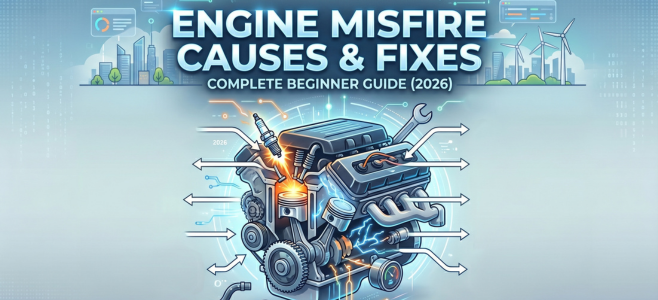
An engine misfire occurs when one or more cylinders fail to ignite the air-fuel mixture properly. This disrupts the engine’s smooth operation and can lead to performance issues.
Common Symptoms of Engine Misfire
Recognizing the signs early can prevent major damage.
Key Symptoms:
- Rough idling
- Engine shaking or vibrations
- Loss of power
- Poor fuel efficiency
- Check engine light turning on
- Strange popping or sputtering sounds
Top Causes of Engine Misfires
1. Faulty Spark Plugs
Spark plugs ignite the air-fuel mixture.
Problem:
- Worn or dirty spark plugs fail to create a proper spark
Fix:
- Replace spark plugs regularly
2. Ignition Coil Issues
Ignition coils provide power to spark plugs.
Symptoms:
- Misfire under acceleration
- Engine hesitation
Fix:
- Replace faulty ignition coils
3. Fuel System Problems
Fuel delivery issues can cause misfires.
Causes:
- Clogged fuel injectors
- Low fuel pressure
Fix:
- Clean or replace fuel injectors
4. Air Intake Issues
Proper air intake is essential for combustion.
Problems:
- Dirty air filter
- Vacuum leaks
Fix:
- Replace air filter
- Repair leaks
5. Engine Timing Problems
Incorrect timing affects combustion.
Cause:
- Faulty timing belt or chain
Fix:
- Inspect and replace timing components
6. Low Compression
Compression is critical for engine performance.
Causes:
- Worn piston rings
- Damaged valves
Fix:
- Perform compression test
- Repair internal components
In severe cases, replacing the engine with a used engine may be necessary.
How to Diagnose Engine Misfire
1: Use an OBD Scanner
- Check error codes
- Identify affected cylinder
2: Listen to Engine
- Detect unusual sounds
- Identify rough operation
3: Inspect Components
- Check spark plugs, coils, and injectors
4: Perform Compression Test
- Identify internal engine issues
How to Fix Engine Misfire
- Replace Spark Plugs: Simple and cost-effective fix.
- Fix Ignition System: Replace coils and wiring if needed.
- Clean Fuel System: Use injector cleaner or replace clogged parts.
- Repair Air Intake: Fix leaks and replace filters.
- Address Mechanical Issues: Repair internal damage if detected.
When to Consider Engine Replacement
If the misfire is severe and caused by internal damage:
- Engine repair may be expensive
- Performance may not fully recover
In such cases, opting for quality used engines can be a smart and cost-effective solution.
Cost Considerations
Minor Fixes:
- Spark plugs: Low cost
- Air filter: Affordable
Major Repairs:
- Ignition coils: Moderate
- Fuel injectors: Moderate
Engine Replacement:
- Expensive if new
- Affordable with quality used engines
Pro Tips to Prevent Engine Misfires
- Follow regular maintenance schedule
- Use high-quality fuel
- Replace worn parts on time
- Keep engine clean
- Address warning signs early
Common Mistakes to Avoid
- Ignoring check engine light
- Delaying repairs
- Using low-quality parts
- Skipping diagnostics
These mistakes can worsen the problem.
When to See a Mechanic
You should seek professional help if:
- Misfire persists after basic fixes
- Engine performance drops significantly
- Warning lights remain on
Final Thoughts
An engine misfire may seem like a minor issue at first, but it can quickly lead to serious damage if ignored. By understanding the causes and applying the right fixes, you can restore your car’s performance and avoid costly repairs.
If the damage is beyond repair, replacing your engine with a reliable used engine or investing in quality used engines can be the best long-term solution. Stay proactive, maintain your vehicle regularly, and your engine will perform smoothly for years to come.