
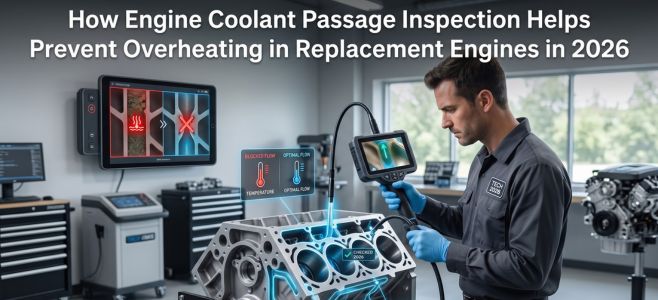
How Engine Coolant Passage Inspection Helps Prevent Overheating in Replacement Engines in 2026
Engine overheating is one of the most common concerns when installing a replacement engine. Excessive heat can affect critical components, reduce engine performance, and potentially turn an otherwise suitable replacement into an expensive repair.
For this reason, inspecting the cooling system should be an important part of evaluating a replacement engine before installation. One area that deserves particular attention is the engine’s internal coolant passages. These passages allow coolant to circulate through the engine block and cylinder head, helping remove heat generated during combustion.
In 2026, improved inspection equipment and diagnostic procedures are helping automotive professionals evaluate coolant passages more effectively. For buyers comparing used engines for sale, understanding this inspection process can make it easier to assess potential replacement options. It is also an important consideration when looking for quality used engines, because cooling-system condition can influence long-term reliability.
What Are Engine Coolant Passages?
Engine coolant passages are internal channels designed to carry coolant around areas of the engine that generate significant heat.
These passages are generally located throughout parts such as:
- Engine block
- Cylinder head
- Around combustion chambers
- Near cylinder walls
- Around other heat-producing areas
As the engine operates, coolant absorbs heat and carries it toward the radiator, where that heat can be released.
If coolant cannot circulate properly, certain areas of the engine may become excessively hot.
Why Coolant Passage Condition Matters
An engine may appear clean and complete externally while still having internal cooling-system concerns. Coolant passages can potentially develop:
- Rust
- Corrosion
- Scale deposits
- Sediment
- Mineral buildup
- Blockages
These conditions can restrict coolant flow. Restricted coolant circulation can create hot spots within the engine. If the problem becomes severe, the engine may experience overheating even when other cooling components appear to be functioning normally.
This is why coolant passage inspection can be valuable before a replacement engine is installed.
How Coolant Passage Problems Develop
Coolant passage contamination can develop for several reasons. A previous vehicle may have experienced:
- Poor cooling-system maintenance
- Incorrect coolant use
- Long-term corrosion
- Contaminated coolant
- Extended storage
- Previous overheating
The history of a used engine may not always be completely known, particularly when purchasing an engine from a salvage or dismantling source. A detailed inspection can therefore provide additional information beyond the engine’s mileage or external appearance.
Visual Inspection of Coolant Passages
The first stage of inspection may involve examining accessible coolant passages for visible signs of contamination or corrosion.
Technicians may look for:
- Rust deposits
- Heavy scale
- Discoloration
- Debris
- Corrosion around passage openings
If significant buildup is visible, additional inspection may be recommended. Visual inspection cannot reveal every internal problem, but it can help identify engines that require further evaluation before installation.
Checking for Blockages
A partially blocked coolant passage can reduce the amount of coolant reaching certain areas of the engine. This can create uneven temperature distribution. Modern inspection procedures may use specialized equipment to investigate accessible passages and determine whether restrictions are present.
Depending on the engine design, cleaning or flushing may be possible. However, severe corrosion or structural damage may require more extensive evaluation. Buyers should ask suppliers whether the replacement engine’s cooling passages have been inspected or cleaned before purchase.
Pressure Testing and Cooling-System Evaluation
Pressure testing can be useful for identifying certain leaks within the cooling system. A technician may pressurize the relevant system and monitor whether pressure remains stable. Loss of pressure can indicate a potential leak or sealing problem.
Pressure testing does not necessarily identify every coolant passage restriction, but it can provide useful information about the condition of the cooling system. A comprehensive inspection may combine pressure testing with visual examination and other diagnostic methods.
Detecting Signs of Previous Overheating
An engine that has previously experienced severe overheating may have suffered damage even if it currently appears functional.
Technicians may look for evidence such as:
- Discoloration
- Warped surfaces
- Damaged gaskets
- Cylinder head concerns
- Coolant residue
Previous overheating does not automatically mean an engine is unusable. However, it indicates that additional inspection may be appropriate before the engine is installed.
This is particularly important when comparing used engines for sale with different histories.
The Connection Between Coolant Passages and Cylinder Heads
The cylinder head contains important coolant passages surrounding heat-generating areas. Poor coolant circulation can contribute to localized overheating.
Excessive temperatures may affect:
- Head gasket sealing
- Cylinder head flatness
- Combustion performance
- Engine oil condition
A cylinder head that has been exposed to severe overheating may require inspection for warping or other damage.
Therefore, coolant passage inspection should be considered part of a broader engine evaluation rather than an isolated test.
Why Quality Used Engines Require Cooling-System Inspection
The phrase quality used engines should involve more than exterior appearance or low mileage. A reliable replacement engine should be evaluated using appropriate inspection procedures.
Important considerations can include:
- Engine identification
- Compatibility
- Internal condition
- Cooling-system condition
- Oil condition
- Compression or other available testing
- Visible damage
- Warranty coverage
Inspecting coolant passages adds another layer of information that can help buyers make more informed decisions.
Technology Is Improving Engine Inspections in 2026
Automotive inspection technology continues to improve. Depending on the facility, modern evaluation may involve:
- Digital inspection records
- High-resolution imaging
- Precision measurement tools
- Pressure-testing equipment
- Borescopes
- Computerized inventory systems
These technologies can help technicians document findings more consistently. Digital inspection records can also make it easier for buyers to ask suppliers specific questions about an engine before purchasing it.
Preventing Overheating After Installation
Inspecting coolant passages before installation is only one part of preventing overheating. After installing a replacement engine, technicians should also verify the condition of the vehicle’s cooling system.
Important components include:
- Radiator
- Water pump
- Thermostat
- Cooling fans
- Hoses
- Coolant
- Radiator cap
- Temperature sensors
A replacement engine can still overheat if the vehicle’s existing cooling system has a failed component. The entire cooling system should therefore be evaluated before the vehicle is returned to service.
Choosing the Right Replacement Engine
When comparing used engines for sale, buyers should consider more than price. Ask the supplier about:
- Engine source
- Vehicle compatibility
- Inspection procedures
- Cooling-system inspection
- Testing performed
- Available mileage information
- Warranty terms
- Return policies
Clear documentation can help reduce uncertainty during the purchasing process.
The Role of Proper Coolant Maintenance
Once the replacement engine is installed, proper coolant maintenance remains important. Using the correct coolant specification and maintaining the recommended coolant level can help support reliable temperature control.
Drivers should also monitor for:
- Coolant leaks
- Temperature warnings
- Unusual odors
- Overheating
- Low coolant levels
Any recurring cooling-system issue should be investigated promptly.
Final Thoughts
Engine coolant passage inspection is an important part of evaluating replacement engines in 2026. Internal passages play a critical role in moving coolant around heat-producing areas, and corrosion, deposits, or blockages can interfere with proper circulation.
For buyers comparing used engines for sale, asking about coolant passage inspection can provide valuable insight into the condition of a potential replacement. Buyers seeking quality used engines should also consider broader factors such as engine history, compatibility, testing, cooling-system condition, and warranty coverage.
No single inspection can guarantee future engine performance. However, examining coolant passages and evaluating the complete cooling system can help identify potential overheating risks before installation.
With improved inspection technology, better documentation, and careful maintenance, buyers and automotive professionals can make more informed replacement engine decisions and support more reliable vehicle performance in 2026.
Frequently Asked Questions
1. Why should coolant passages be inspected in a used engine?
Coolant passages can contain corrosion, scale, or debris that may restrict coolant circulation and contribute to overheating.
2. Can a blocked coolant passage cause engine overheating?
Yes. Significant restrictions can reduce coolant flow and create localized hot spots within the engine.
3. What should I check when buying used engines for sale?
Consider compatibility, engine history, inspection procedures, available testing, cooling-system condition, warranty terms, and return policies.
[faq q="4. What makes quality used engines more reliable?"]
Quality used engines should be evaluated through appropriate inspection and testing rather than judged only by appearance or mileage.
5. Can a replacement engine overheat even if its coolant passages are clean?
Yes. Problems with the radiator, thermostat, water pump, fans, hoses, coolant, or other cooling-system components can also cause overheating.