
Why Smart Oil Pump Technology Is Becoming Critical for Maintaining Reliable Lubrication in Modern Replacement Engines in 2026
Modern engines depend on precise lubrication to operate reliably. Every second an engine is running, oil must reach critical components such as crankshaft bearings, camshafts, piston assemblies, timing components, and valve train parts. Without consistent oil flow and appropriate pressure, internal engine components can experience excessive friction, heat, and premature wear.
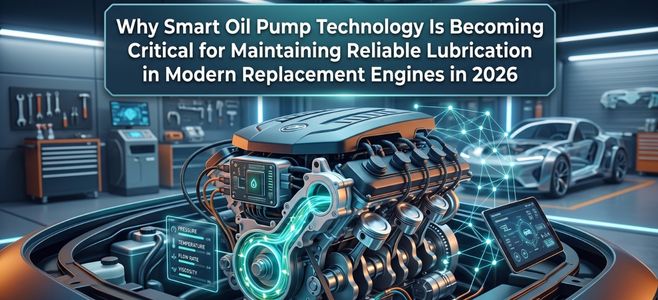
As vehicle technology becomes more advanced, engine lubrication systems are also evolving. In 2026, smart and electronically controlled oil pump technology is becoming increasingly important in many modern engine designs. Unlike traditional fixed-output pumps, advanced lubrication systems can adjust oil flow or pressure according to engine operating conditions.
For buyers looking at quality used engines or searching for a used motor for sale, understanding the lubrication system is an important part of evaluating engine compatibility and long-term reliability.
What Does an Engine Oil Pump Do?
The engine oil pump circulates lubricating oil through the engine. After oil is drawn from the oil pan, the pump sends it through the lubrication system to important moving components.
Depending on the engine design, oil may lubricate:
- Main bearings
- Connecting-rod bearings
- Camshafts
- Valve train components
- Timing chains
- Variable valve timing systems
- Turbocharger components
The oil also helps remove heat and carry contaminants toward the oil filter. A problem with the oil pump or lubrication system can therefore affect multiple engine components.
How Traditional Oil Pumps Work
Many older engines use mechanically driven oil pumps that provide a relatively fixed output based largely on engine speed. As the engine rotates faster, the pump generally moves more oil.
While this design can be effective, it may provide more pumping capacity than the engine requires under certain operating conditions. This can increase parasitic energy losses.
Modern engine manufacturers have therefore developed variable and electronically controlled systems that can manage lubrication more precisely.
What Is Smart Oil Pump Technology?
The term smart oil pump can describe advanced lubrication systems that adjust pump operation according to changing engine requirements.
Depending on the engine design, these systems may use:
- Variable displacement mechanisms
- Electronic controls
- Pressure sensors
- Solenoid-operated valves
- Engine control module data
The objective is to provide sufficient lubrication while reducing unnecessary pumping losses. Instead of operating at one fixed output level, the system can respond to factors such as engine speed, temperature, load, and oil-pressure requirements.
Why Precise Lubrication Matters
Every moving engine component requires an appropriate oil film.
This thin layer of lubricant helps separate moving surfaces and reduce direct metal-to-metal contact.
Proper lubrication supports:
- Reduced friction
- Lower wear
- Temperature control
- Smooth operation
- Longer component life
Too little oil pressure can create serious problems, but excessive pumping also consumes energy. Smart oil pump systems aim to manage this balance more efficiently.
Benefits for Modern Replacement Engines
Replacement engines must often integrate with sophisticated vehicle electronics and original lubrication-system designs. Installing an incompatible component can affect performance and reliability.
For buyers considering quality used engines, it is important to understand whether the replacement engine includes the correct oil pump configuration for the vehicle.
Modern engines may rely on electronically controlled lubrication components that communicate with the engine control system.
Supporting Fuel Efficiency
Engine manufacturers are continually working to reduce energy losses. A traditional fixed-output oil pump may use more engine power than necessary during certain operating conditions.
A variable or electronically managed pump can potentially reduce pumping losses by adjusting output.
This can contribute to improved overall engine efficiency. While the oil pump is only one component in the vehicle’s efficiency system, small improvements across multiple systems can make a meaningful difference.
Oil Pressure and Engine Load
An engine does not need the same lubrication requirements at every moment. For example, the demands during:
- Cold starts
- Highway cruising
- Heavy acceleration
- Towing
- High-speed driving
Can be different. Smart lubrication systems can respond to changing conditions and provide oil flow appropriate to the engine’s operating requirements.
This adaptive capability is particularly valuable in modern engines with complex internal components.
Importance for Turbocharged Engines
Turbocharged engines place additional demands on lubrication systems. A turbocharger operates at extremely high rotational speeds and depends on proper oil circulation.
Insufficient or contaminated oil can contribute to accelerated component wear. For this reason, buyers looking for a used motor for sale should consider the complete lubrication requirements of the engine, particularly when purchasing a turbocharged replacement.
The correct oil specification, maintenance procedure, and compatible lubrication components are essential.
Why Oil Pump Compatibility Matters
Replacement-engine compatibility involves more than matching the engine block. Buyers and installers should also verify:
- Engine code
- Oil pump configuration
- Sensors
- Wiring connections
- Oil passages
- Electronic controls
- Vehicle software requirements
A smart oil pump designed for one engine version may not operate correctly if installed in an incompatible vehicle.
This is why professional compatibility verification is valuable before installation.
Evaluating Quality Used Engines
When evaluating quality used engines, buyers should consider the overall condition of the lubrication system.
Potential inspection areas may include:
- Oil pump condition
- Oil passages
- Signs of sludge
- Oil pan condition
- Oil pickup components
- Metal debris
- Oil contamination
The exact inspection process depends on the engine and the supplier’s procedures. A clean external appearance alone does not provide a complete picture of internal lubrication-system condition.
Choosing a Used Motor for Sale
A buyer searching online for a used motor for sale should avoid selecting an engine based only on price. Important considerations include:
- Correct vehicle compatibility
- Engine identification
- Supplier reputation
- Inspection procedures
- Available documentation
- Warranty options
- Required electronics
Understanding these factors can help reduce installation problems and unexpected expenses.
Maintenance Still Matters
Smart oil pump technology cannot protect an engine if the lubrication system is poorly maintained. After installation, vehicle owners should:
- Use the recommended oil specification
- Replace oil at appropriate intervals
- Install suitable filters
- Monitor oil-level warnings
- Investigate oil-pressure warnings quickly
- Repair leaks promptly
Good maintenance remains essential for both traditional and electronically controlled lubrication systems.
Future of Smart Lubrication Systems
In the future, lubrication technology may become even more intelligent. Possible developments include:
- Advanced oil-quality sensors
- Predictive maintenance systems
- Real-time wear monitoring
- AI-assisted lubrication control
- More efficient variable pumps
These technologies could help engines adapt more precisely to operating conditions and provide earlier warnings when problems develop.
Final Thoughts
Smart oil pump technology is becoming increasingly important in modern replacement engines because today’s vehicles require more precise lubrication management. Variable and electronically controlled oil pumps can adjust their operation according to engine conditions, helping maintain appropriate oil pressure and flow while potentially reducing unnecessary energy losses.
For buyers considering quality used engines, understanding the condition and compatibility of the lubrication system is an important part of the replacement-engine selection process. Anyone searching for a used motor for sale should also verify that the engine and its oil pump configuration are compatible with the intended vehicle.
Ultimately, reliable lubrication depends on more than the oil pump alone. The correct engine, clean oil passages, proper oil specification, quality filters, professional installation, and regular maintenance all work together to protect internal components.
As engine technology continues advancing in 2026, smart lubrication systems will remain an important part of maintaining efficiency, durability, and dependable long-term performance.