
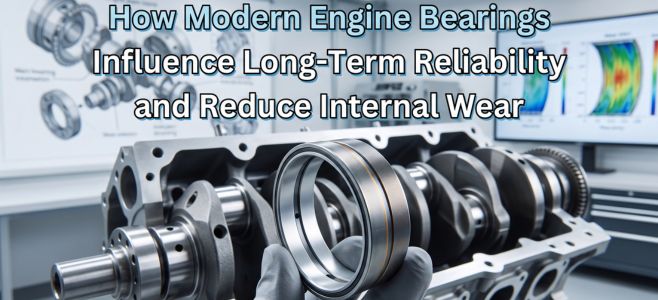
How Modern Engine Bearings Influence Long-Term Reliability and Reduce Internal Wear
Engine bearings may be small components, but they play a critical role in reducing friction between moving engine parts. Modern bearing technology helps improve lubrication, minimize internal wear, support smoother engine operation, and extend engine lifespan. When severe engine damage occurs due to bearing failure, choosing OEM used auto parts and used engines with warranty offers a reliable and cost-effective solution for restoring vehicle performance.
Table of Contents
- What are engine bearings?
- Why engine bearings are essential
- How modern bearings reduce engine wear
- Common causes of bearing failure
- Warning signs of worn engine bearings
- Why quality replacement engines matter
- FAQs
Understanding Engine Bearings
Engine bearings are precision-engineered components that support the rotating parts inside an engine. They create a thin film of oil between metal surfaces, preventing direct contact and reducing friction during operation.
The most common types include:
- Main bearings
- Connecting rod bearings
- Camshaft bearings
- Thrust bearings
Each bearing is designed to withstand extreme temperatures, high loads, and continuous movement while maintaining smooth engine operation.
Why Engine Bearings Matter
Every time the engine starts, thousands of moving parts work together at high speeds.
Without properly functioning bearings, metal components would quickly grind against each other, causing excessive heat and rapid wear.
Modern engine bearings help:
- Reduce friction
- Maintain oil clearance
- Support crankshaft rotation
- Improve engine efficiency
- Increase component lifespan
Their role is essential in protecting expensive internal engine parts.
Modern Bearing Technology Has Improved
Engine bearing design has advanced significantly in recent years.
Today’s bearings feature:
- Multi-layer construction
- Improved heat resistance
- Enhanced wear coatings
- Better oil retention
- Greater load capacity
These improvements allow modern engines to operate more efficiently while handling higher power outputs and stricter fuel economy requirements.
How Bearings Reduce Internal Wear
Engine bearings create a protective oil film that separates moving metal components.
This lubrication minimizes:
- Surface friction
- Heat generation
- Metal fatigue
- Component scoring
- Premature engine wear
When lubrication remains consistent, the crankshaft and connecting rods can rotate smoothly even under heavy loads.
Better Lubrication Means Better Reliability
Oil and bearings work together to protect the engine.
Modern bearings are engineered with precise clearances that maintain proper oil flow throughout the engine.
Benefits include:
- Stable oil pressure
- Improved cooling
- Reduced friction losses
- Longer engine life
- Better performance under demanding conditions
Routine oil changes are essential to maintaining this protective lubrication layer.
Common Causes of Bearing Failure
Although engine bearings are highly durable, several conditions can shorten their lifespan.
Common causes include:
- Low engine oil levels
- Contaminated oil
- Overheating
- Poor maintenance
- High mileage
- Improper lubrication
Ignoring these issues may eventually lead to catastrophic engine failure.
Warning Signs of Worn Bearings
Bearing problems often develop gradually before becoming severe.
Drivers may notice:
- Knocking or tapping noises
- Low oil pressure
- Metallic particles in engine oil
- Engine vibration
- Reduced engine performance
- Illuminated oil pressure warning light
Prompt diagnosis can help prevent further internal damage.
Why Early Repairs Save Money
Replacing worn bearings early is often much less expensive than repairing a completely damaged engine.
Timely maintenance can help:
- Prevent crankshaft damage
- Protect connecting rods
- Extend engine lifespan
- Reduce repair costs
- Improve overall reliability
Addressing warning signs early helps avoid more extensive mechanical failures.
When Engine Replacement Becomes Necessary
If bearing failure causes significant internal damage, replacing the engine may be the most practical option.
Many vehicle owners choose used engines with warranty because they provide:
- Lower replacement costs
- Factory-engineered compatibility
- Tested performance
- Warranty protection
- Faster vehicle repairs
A warranty-backed replacement engine offers additional peace of mind.
Why OEM Components Remain a Smart Choice
When replacing damaged engine parts, many technicians recommend OEM used auto parts.
OEM components offer:
- Precise factory fit
- Proven durability
- Reliable compatibility
- Consistent quality
- Simplified installation
Using original manufacturer components helps maintain the vehicle’s intended performance and reliability.
Preventive Maintenance Protects Bearings
The best way to maximize bearing life is through regular maintenance.
Recommended practices include:
- Change engine oil at recommended intervals.
- Use manufacturer-approved oil grades.
- Replace oil filters regularly.
- Monitor oil pressure.
- Repair oil leaks promptly.
- Avoid prolonged engine overheating.
These simple steps help preserve lubrication and minimize internal wear.
Future Advances in Bearing Technology
Automotive manufacturers continue improving engine bearing performance.
Emerging developments include:
- Low-friction coatings
- Advanced composite materials
- Improved thermal resistance
- Precision manufacturing techniques
- Enhanced lubrication technologies
These innovations support greater engine efficiency while reducing maintenance requirements.
Final Thoughts
Modern engine bearings are among the most important yet often overlooked components inside today’s engines. By reducing friction, maintaining proper lubrication, and protecting critical rotating parts, they contribute significantly to long-term engine reliability and overall performance.
When bearing failure leads to severe internal engine damage, investing in OEM used auto parts helps preserve factory-quality compatibility during repairs. Likewise, choosing professionally inspected used engines with warranty provides a dependable and cost-effective solution that restores vehicle performance while offering additional confidence through warranty protection. Combined with routine maintenance and timely oil service, modern engine bearings continue to play a vital role in extending engine life in 2026 and beyond.
FAQs
1. What do engine bearings do?
Engine bearings reduce friction between moving engine components by maintaining a protective layer of engine oil between metal surfaces.
2. What causes engine bearing failure?
Low oil pressure, contaminated oil, overheating, poor maintenance, and excessive engine wear are among the most common causes.
3. Why choose OEM used auto parts?
OEM used auto parts provide factory-designed compatibility, reliable performance, and a cost-effective alternative to purchasing brand-new replacement components.
4. Are used engines with warranty reliable?
Yes. Professionally inspected used engines with warranty offer tested performance, OEM compatibility, and additional peace of mind through warranty coverage.
5. How can I extend the life of my engine bearings?
Regular oil changes, proper lubrication, quality oil filters, maintaining correct oil levels, and addressing warning signs early are the best ways to maximize engine bearing lifespan.